


PAG-30201P: Low-Toxicity Photoinitiator Empowering Breakthroughs in Coatings and Inks Industries
I. Technical Analysis: Core Advantages of PAG-30201P
1. Chemical Composition & Spectral Properties
Chemical Name: Bis(4-tert-butylphenyl)iodonium hexafluorophosphate in propylene carbonate solution.

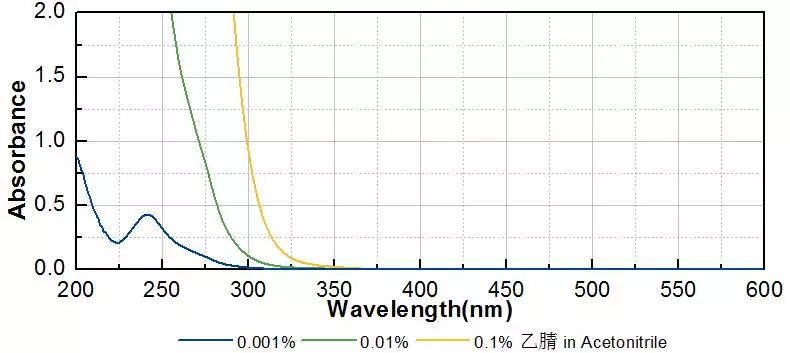
UV Spectrum: Strong absorption peaks at 250–350 nm enable rapid cationic polymerization under UV/visible light.
Physical Form: Light-yellow transparent liquid; ≥99.00% purity (HPLC); 48.50–51.50% solid content ensuring formulation stability.
2. Performance Breakthroughs: Dual Assurance of Safety & Stability
Low Toxicity: Optimized molecular structure minimizes human/environmental hazards, complying with EU REACH/RoHS regulations.
High Stability: Uniform dispersion in propylene carbonate solvent resists thermal/photo degradation, extending shelf life to 1 year (from production date).
3. Ready-to-Use Design: Streamlined Processing
Pre-dissolved in propylene carbonate (PC), it enables direct addition to epoxy systems—eliminating dissolution steps, shortening production cycles, and reducing operational complexity.
II. Applications: End-to-End Coverage from Coatings to Inks
1. Epoxy Coatings: High-Performance Protection
Applications: Industrial anticorrosion coatings, electronic encapsulation materials, floor coatings.
Key Benefits:
Rapid Curing: Surface solidification within seconds under UV light.
Chemical Resistance: Dense crosslinked network withstands acids, alkalis, and solvents.
Low VOC Emission: Supports solvent-free formulations for sustainable manufacturing.
2. Specialty Inks: Dual Upgrade of Print Quality & Efficiency
Applications: UV printing inks, 3D printing photopolymer resins, PCB solder masks.
Key Benefits:
High Resolution: Precurable depth control for intricate patterns.
Abrasion Resistance: Hardened films endure high-speed printing/post-processing.
Broad Compatibility: Adheres to metals, plastics, glass, and other substrates.
III. Storage & Packaging: Maximizing Material Longevity
1. Storage Conditions
Environment: Keep in tightly sealed containers in cool (≤30°C), dry, dark, and ventilated areas.
Shelf Life: 12 months from production date. Regularly monitor solid content/purity.
2. Packaging Specifications
Standard: 20 kg/HDPE drum (high-density polyethylene for transport safety).
Customization: Small-batch aliquoting or specialized packaging available.